 by
by The Great Ocean Road is one of Australia’s most beautiful coastal drives, with millions of visitors each year. This scenic road runs along the southern coast, with stunning views of the coast and jaw dropping scenery. Natural wonders like the Twelve Apostles, London Bridge and the Arch have become tourist hotspots, attracting visitors from around the world. However, many visitors will be surprised to find the Arch is closed to the public; what was once an iconic attraction is now a restricted area.
Contents
The Arch is closed
1. Erosion and structural instability
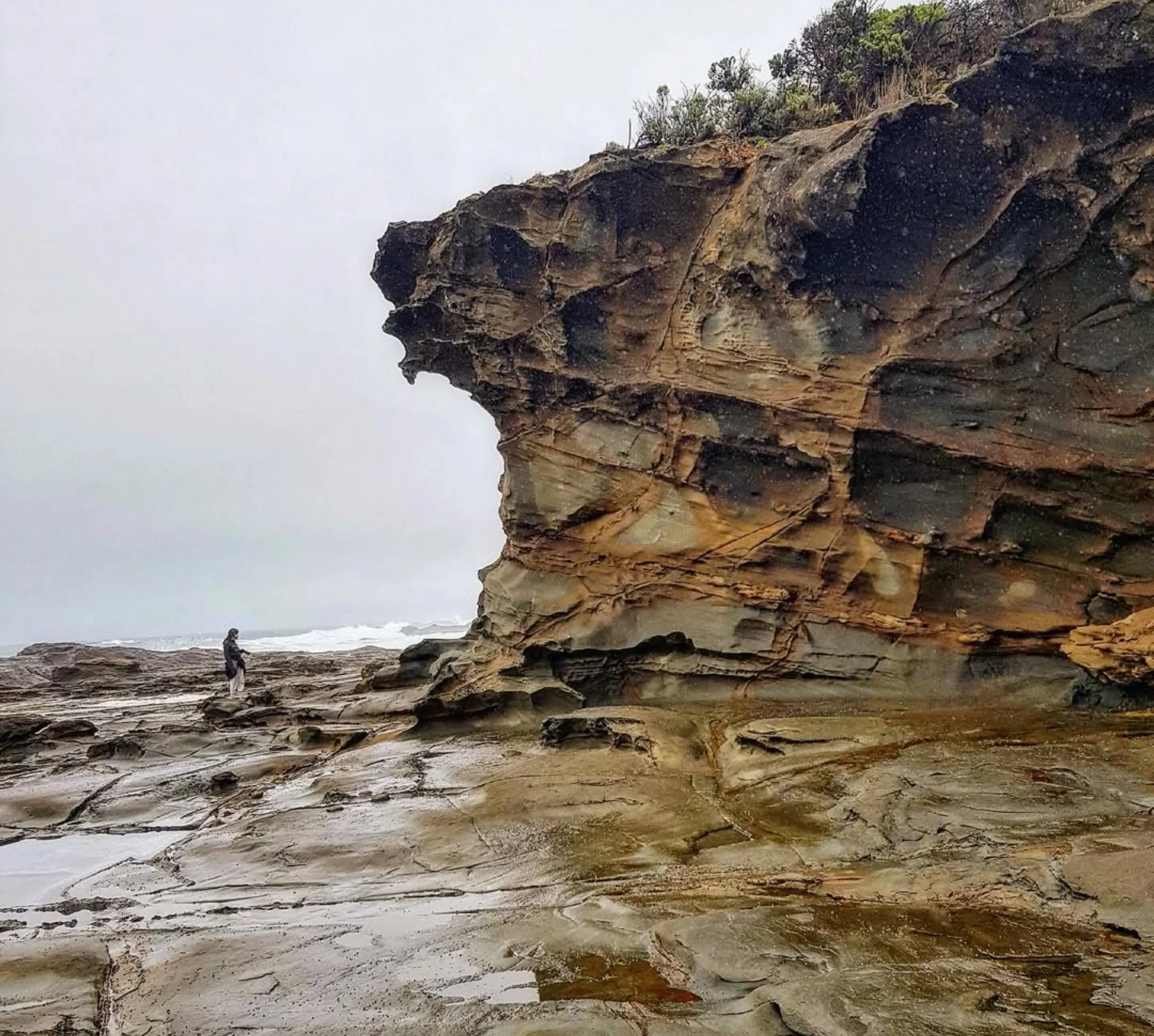
The main reason the Arch is closed is erosion. Like many coastal rock formations the Arch is exposed to the harsh forces of wind, waves and weathering. Over time these forces will weaken the rock and make it unstable and prone to collapse. The nearby cliffs also face similar erosion issues, which contribute to overall cliff instability.
Cliff collapse is common along the Great Ocean Road; the natural forces of erosion shape the landscape daily. With the road hugging the cliffs authorities have to take extra precautions to prevent accidents, so visitors don’t get too close to unstable rock formations. Many visitors on a Great Ocean Road day tour from Melbourne are unaware of the geological changes that happen over time, so it’s even more important to educate visitors on safety precautions.
2. Public safety
Public safety is a top priority and the instability of the Arch has increased the risk of falling debris and sudden collapse. To prevent accidents and ensure public safety officials have put up a temporary fence and barriers around the site.
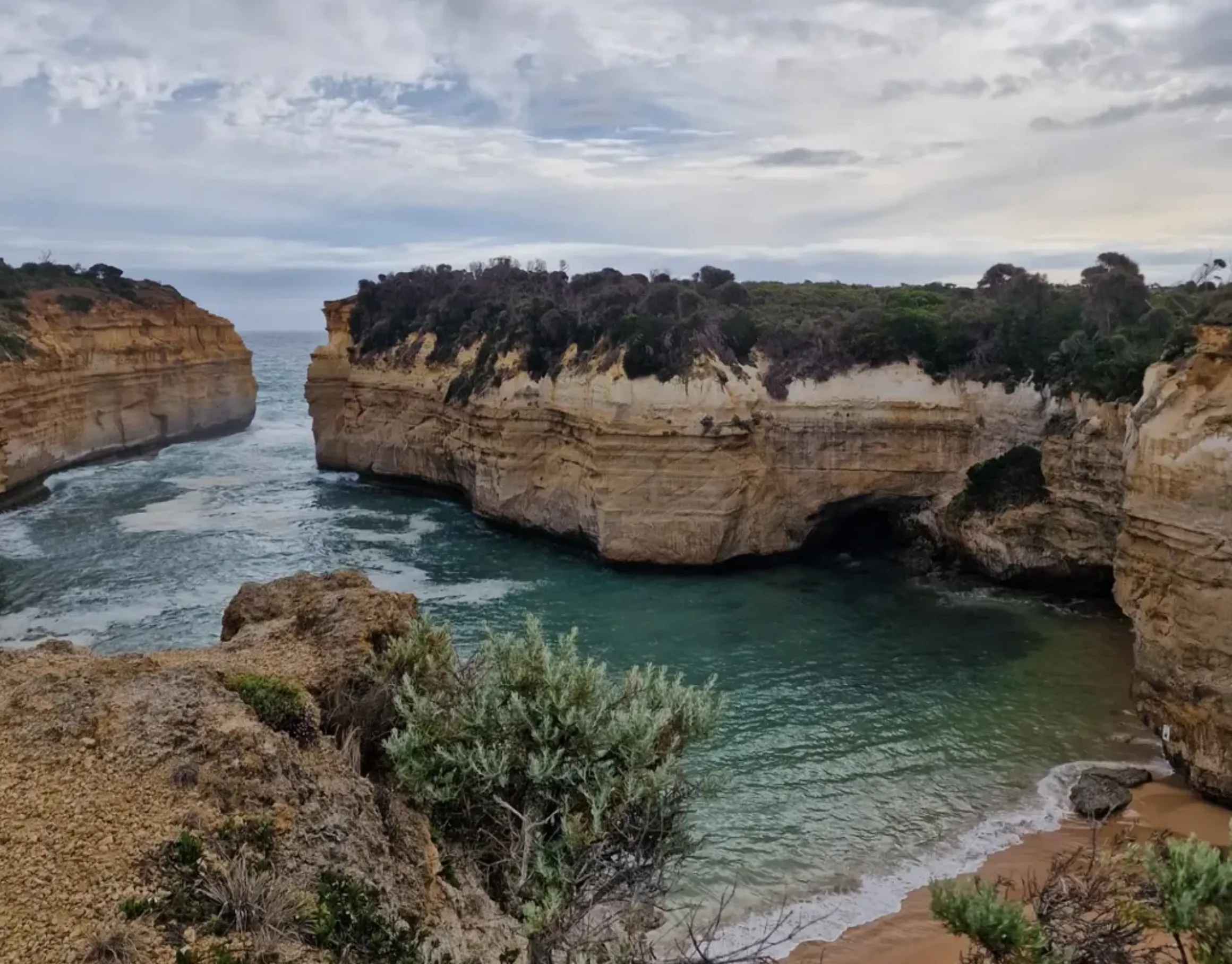
The chief ranger of the national park says the difficult terrain of the area makes it even more important to restrict access. Even experienced hikers can struggle to navigate the rough terrain and with unpredictable weather patterns the risk of injury is higher. Visitors on a 3 day Great Ocean Road tour will hear from their tour guides about the risks of erosion and the need for safety measures at certain landmarks.
3. Conservation
Preserving the natural beauty and cultural heritage of the Great Ocean Road is another reason the Arch is closed. Human interaction with fragile rock formations accelerates wear and tear, so by limiting access authorities hope to slow down the degradation process and conserve the site.Foot traffic damage has also been prevented by accessibility measures. In many areas along the Great Ocean Road visitors are asked to use designated walking tracks, including concrete paths that don’t touch the fragile terrain. Great Ocean Road tours stress the importance of staying on the path to protect these natural formations for the future.
4. Unpredictable Weather
The Great Ocean Road is notorious for its unpredictable weather, heavy rain, strong winds and coastal storms. These conditions can make rock formations like the Arch even more prone to erosion.
Strong winds along the drive can also be dangerous for visitors walking in the area. Beach steps and beach access points can be slippery and are additional hazards for tourists. Coastal towns along the Great Ocean Road get hit by storm surges which further deteriorate the natural landmarks. A Great Ocean Road day tour from Melbourne will stop at multiple viewpoints where guides will explain how the changing climate affects these coastal wonders.
5. Geological Monitoring
Geologists and environmental experts continuously monitor the structural integrity of The Arch. If assessments show an imminent risk, closures are put in place as a precaution. These studies help authorities to make informed decisions about public access, accessibility and conservation.
The reality is natural wonders are constantly changing and sometimes access restrictions are necessary to preserve them for future generations. With the Great Ocean Road being one of the most famous drives in the world, authorities are trying to balance tourism with environmental sustainability.
Memorial Arches and Accessibility Issues
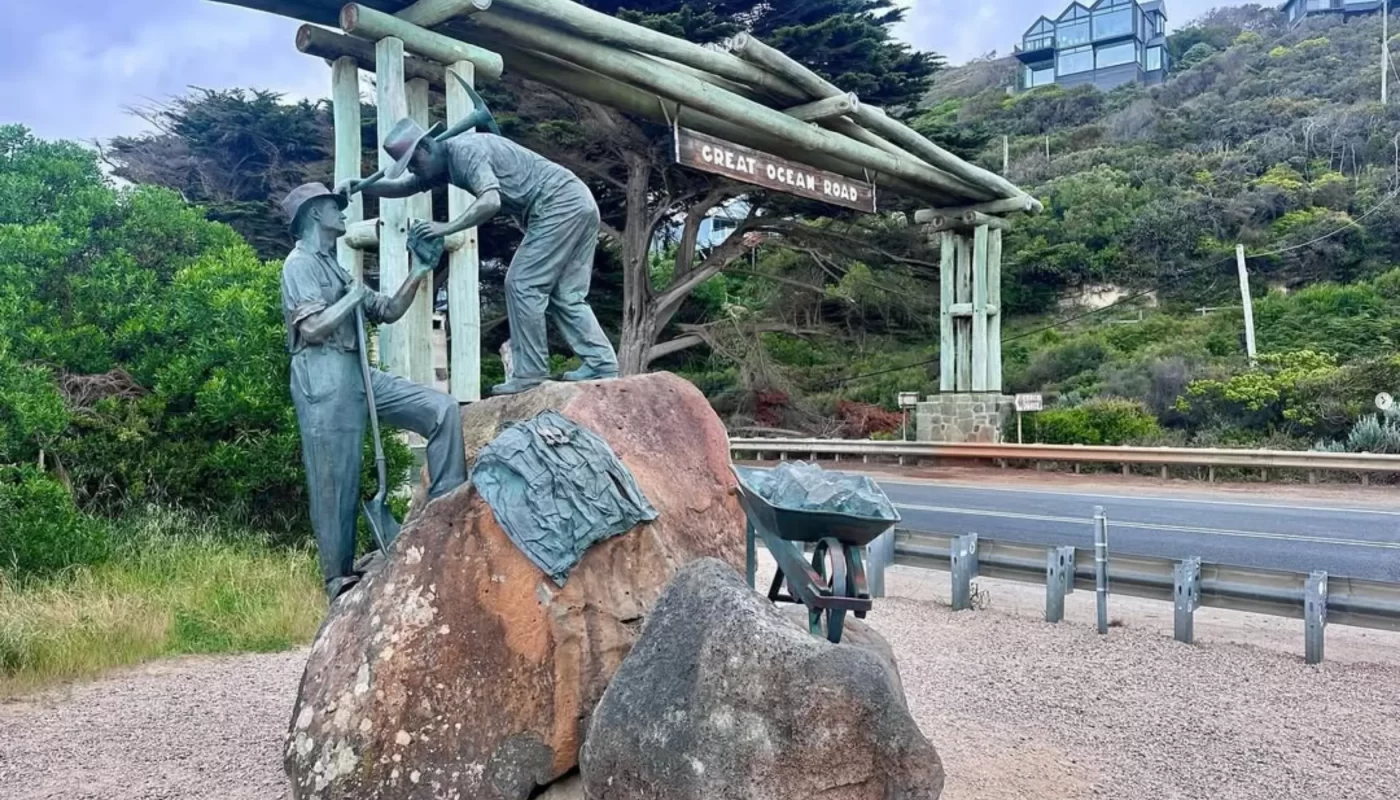
The Great Ocean Road is famous not only for its natural wonders but also for its history. Memorial arches along the way are in memory of the workers who built this stunning coastal road. However, accessibility is a challenge as the rugged terrain and steep cliffs make it hard for some visitors to see all the attractions.
Efforts are being made to improve accessibility but some areas including The Arch will likely remain closed due to safety reasons. While authorities are working on introducing many accessibility improvements, visitors should check for updates before planning their trip. Those doing a 3 day Great Ocean Road tour should ask which attractions are open during their visit.
Will The Arch Reopen?
At this stage there is no timeline for the reopening of The Arch to visitors. Authorities will continue to monitor its stability and look at options for safe access in the future. But given the natural erosion of the coastline it’s possible The Arch may be closed indefinitely for visitor safety.
Alternative Attractions Nearby
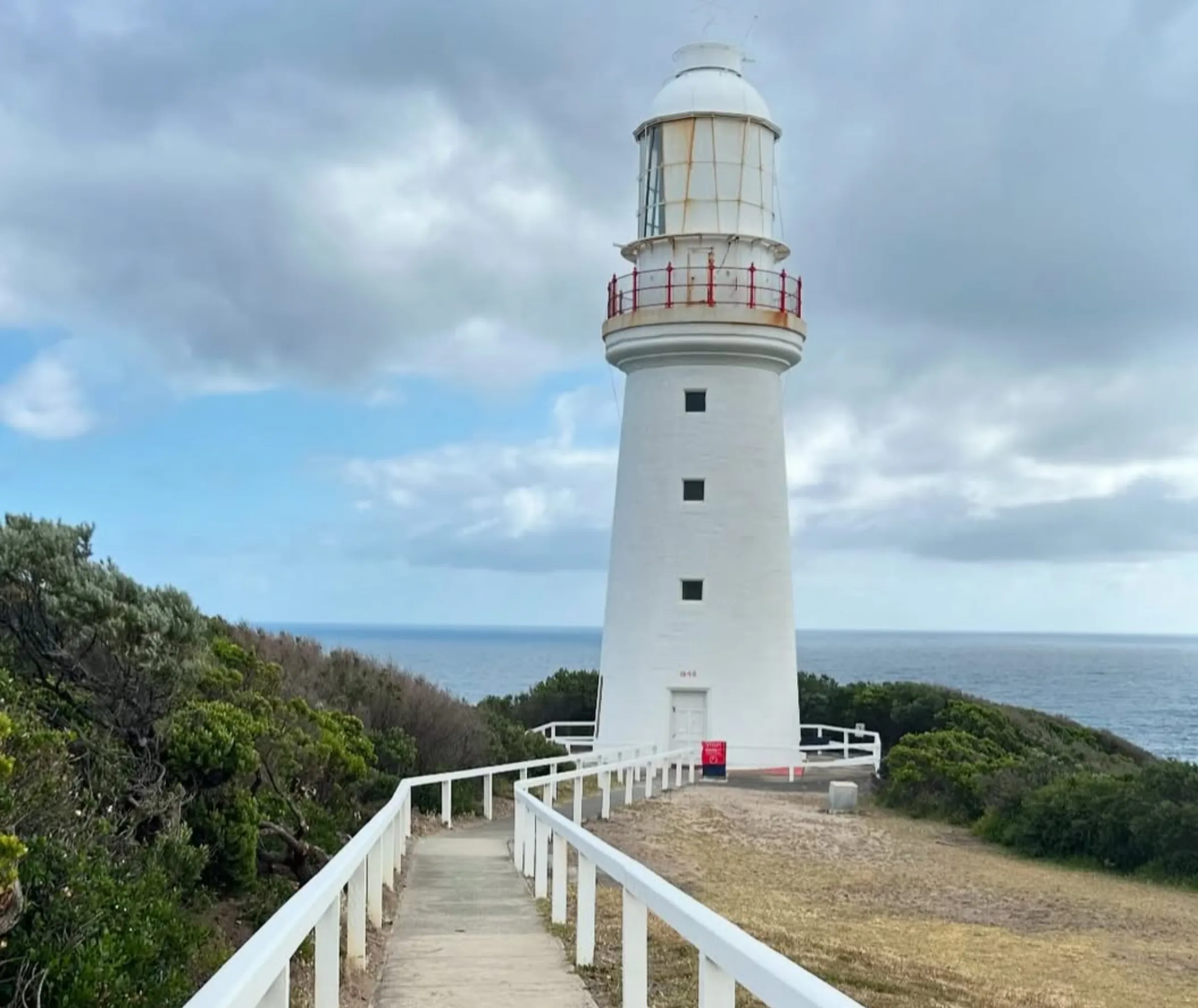
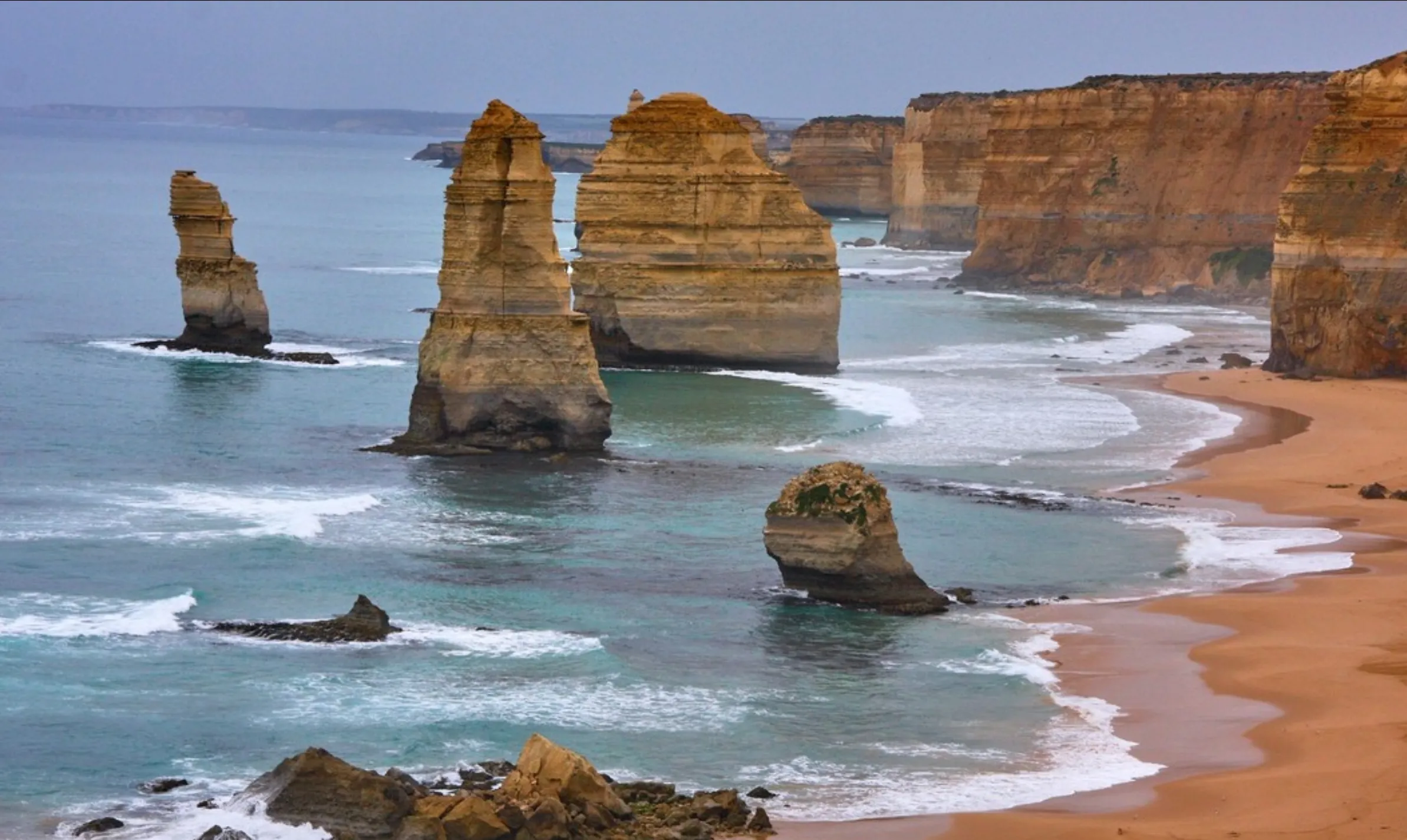
While The Arch is closed visitors can still see other stunning views and coastlines along the Great Ocean Road. The Twelve Apostles, Loch Ard Gorge, Gibson Steps and London Bridge are all open and offer amazing views of the Australian coastline.
The scenic road takes you through charming towns and beachside villages where you can experience the region’s cultural heritage. Many of these towns have great accommodation, restaurants and attractions and are perfect for longer stays. Those booking Great Ocean Road tours can still have many memorable stops along the way.
For those who want a challenging drive the Great Ocean Road has winding roads with steep inclines, perfect for the road trip enthusiast. Coastal towns along the way have many opportunities for adventure from hiking trails to water sports.
The Impact of The Arch’s Closure on Tourism
The closure of The Arch is raising concerns about the impact on tourism. Many visitors come to the Great Ocean Road specifically for its famous rock formations and restrictions on access may affect visitor numbers. But with so many other attractions there’s still much to see on the Great Ocean Road.
Authorities are also looking at ways to provide accessible content for visitors who can’t see The Arch in person. Virtual tours and educational programs are being developed to help people understand the geological history of the area.
Conclusion
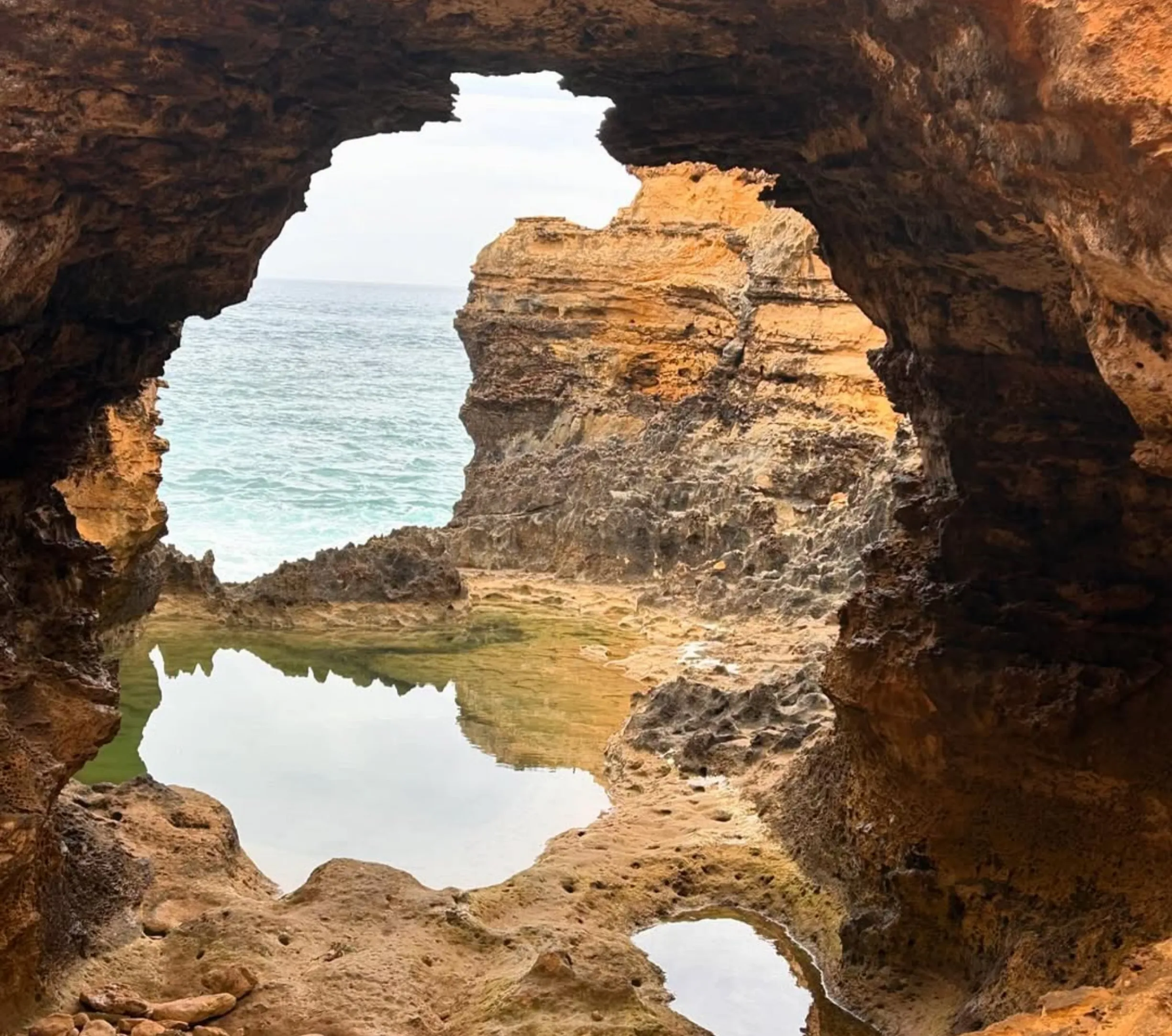
The closure of The Arch on the Great Ocean Road is a necessary measure for public safety, conservation of the natural landscape and preventing further erosion. While visitors may be disappointed by the restrictions, the Twelve Apostles and London Bridge are still open and offer amazing views of the coastline.
If you’re planning a trip to the Great Ocean Road make sure you stay up to date with accessibility issues, road conditions and site closures. The natural wonders of the southwest coast are the highlight of any Australian adventure and with responsible tourism these incredible landscapes can be protected for future generations.
FAQ
What prompted the closure of The Arch to visitors?
The Arch has been closed off to the public due to safety issues arising from erosion and weakening of its structure over time. Winds, tides, and the wear of weather have caused the rock to deteriorate, making a collapse more likely. To protect sightseers, authorities have barred entrance.
Does the crumbling coastline pose risks like falling cliffs?
Yes indeed. The constant crashing of waves ceaselessly carves away at the soft sandstone bluffs along the Great Ocean Road, which can suddenly unleash cascades of rubble and cause cliffsides to give way with little warning.
What safety precautions have the officials implemented?
Temporary barricades and barriers now surround The Arch to restrict entry. Geologists constantly monitor underground shifts and crack developments to foresee if extra precautions are needed.
Is there an estimated time when sightseers may return?
No fixed schedule for restoring admittance has been established. Authorities are focused on protecting visitors and surrounding habitats as the cliff face degrades naturally over the indeterminate future. Accessibility may remain uncertain for an undefined period.